Some mornings feel like someone has tucked my brain and my energy under a duvet and gone back to bed. When that happens, I rely on a small kitchen ritual — five simple items and a few minutes — that helps me reset, lift my mood, and sharpen my focus. It’s not a miracle cure, but it’s reliable: repeatable, calming, and surprisingly effective at turning a sluggish start into a usable day.
Why a five-item ritual?
I wanted something that met three criteria: it had to be quick, pleasant, and grounded in the kind of sensory smallness that brings me back into my body. Too many morning "hacks" feel like extra chores; this ritual is deliberately tiny. Five items create a compact routine that's flexible enough to work whether I have 10 minutes or 30. Each item plays a specific role — hydration, movement, scent, taste, and a tactile or visual cue — so together they nudge both body and mind toward wakefulness.
The five items I use
- Water with lemon (or plain water) — hydration first.
- A kettle and a warm drink — comfort plus ritualized focus.
- A small, bright snack — something with texture and light energy.
- A citrus or mint-scented oil or soap — scent to wake the brain.
- A notebook and pen (or a kitchen timer) — to anchor intention and time.
Step-by-step: How I do it
I keep the ritual simple enough that it’s easy to do on autopilot, but meaningful enough to change how I feel. Here’s the order that works for me:
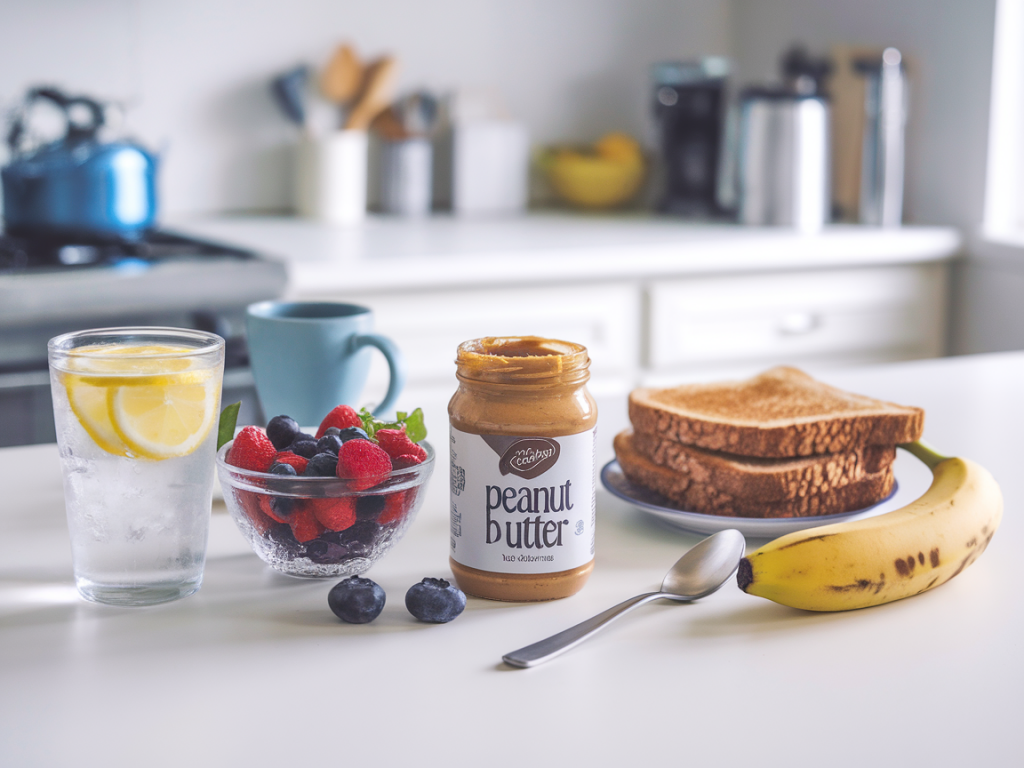
- Pour and sip water: As soon as I get to the kitchen I pour a tall glass of water. Sometimes I add a squeeze of lemon. Drinking before caffeine helps rehydrate after sleep and gives me a subtle metabolic nudge.
- Start the kettle: I put the kettle on for tea — often green tea, a light oolong, or a lemon verbena blend. The act of waiting for hot water gives me a tiny pause to arrive fully into the morning.
- Quick scent reset: While the kettle warms I wash my hands with a mint or citrus soap, or I dab a little essential oil on my wrists. Bright smells like lemon, grapefruit or peppermint trigger alertness faster than you’d expect.
- Snack with texture: I prepare a small, crunchy snack: a handful of almonds, an apple sliced with the skin on, or toasted sourdough with a thin spread of ricotta and honey. The act of chewing and the contrast of texture engages my senses and gives a gentle blood sugar lift.
- Set intention and time: I take my tea and snack to a spot I like, open my notebook, and write one simple intention for the next hour — one sentence. Then I set a kitchen timer for 25 minutes (a short, Pomodoro-style block). Having a specific chunk of time to focus on something small stops my mind from spinning with an overwhelming to-do list.
Why each step matters
There’s science in the smallness. Hydration affects cognition; scents connect directly with areas of the brain involved in alertness and memory; texture and taste create grounding sensory input; and a short, written intention reduces decision fatigue. The timer adds a boundary so I can enjoy focused work without anxiety about perfection.
Variations for different mornings
Not every morning is identical, so here are variations I rotate through based on mood and available time:
- Extra sleepy: Swap the green tea for matcha (for a sustained calm energy) and extend the ritual to include two minutes of gentle neck and shoulder rolls while the kettle boils.
- Pressed for time: If I have five minutes, I keep water, a citrus scent, a single ripe banana (easy to eat), and write a one-line intention. Skip the tea — I’ll make it later but keep the structure.
- Creative block: I swap the snack for dark chocolate (a small square) and use a different scent — bergamot or rosemary — and write three quick, silly prompts in my notebook to get the creative sparks going.
- Travel mornings: I use bottled sparkling water, a small thermal mug with pre-packed tea, a travel-size citrus oil, and a pocket notebook. The ritual is portable: the point is repetition, not perfection.
Products and makes I recommend
Where it helps, I’ll name specific things I’ve liked. A simple glass water bottle with a wide mouth (I use a 500 ml model) makes lemon slices easy. For tea, I favour loose-leaf green blends and a fine mesh infuser — Twinings or Pukka are fine if you prefer tea bags. For scent, a small roller bottle of peppermint or grapefruit essential oil from a trusted brand (doTERRA or Neal’s Yard are options) is handy. For snacks, I rotate between whole fruit, mixed nuts, and a slice of sturdy sourdough — depending on hunger and time.
How long this takes
The ritual can be squeezed into as little as five minutes or stretched to 30. My sweet spot on most days is 12–20 minutes: long enough to feel gentle and unhurried, short enough to be practical. The goal is momentum — not a long list of new habits.
What to expect after doing it
Within 10–30 minutes I usually notice a clearer head and a calmer mood. I’m not artificially hyped up; I feel steady, with the appetite for a defined task. That’s the main win: the ritual converts fog into a manageable chunk of attention. If I follow it regularly, the mornings feel less reactive — I’m deciding the first move of my day rather than responding to whatever noise arrives first.
Troubleshooting
If the ritual doesn’t work, try tweaking one element instead of giving up entirely:
- Stomach upset from citrus: use plain water or a slice of cucumber instead.
- Tea makes you jittery: choose a lower-caffeine option like rooibos or rooibos blends, or skip caffeine entirely.
- Can’t sit still: make the ritual mobile — take the tea on a short walk around the block while you set your intention on your phone voice memo.
- Too rushed: keep the notebook but only write a single word that captures your focus for the hour (e.g., "emails," "design," "slow").
How I keep it feeling fresh
Even a small ritual can grow stale. I rotate teas, try new citrus or herb oils, switch up the snack textures, and sometimes swap the notebook for voice notes. I also let myself skip it without guilt — the point is to support, not to become another rigid rule.
If you try this, I’d love to know which five items you settle on and how your mornings shift. Tiny rituals have a way of changing the whole tone of a day — and they’re most useful when they’re personal enough to feel like something you made, not something you have to do.