Why I love the weekly market challenge
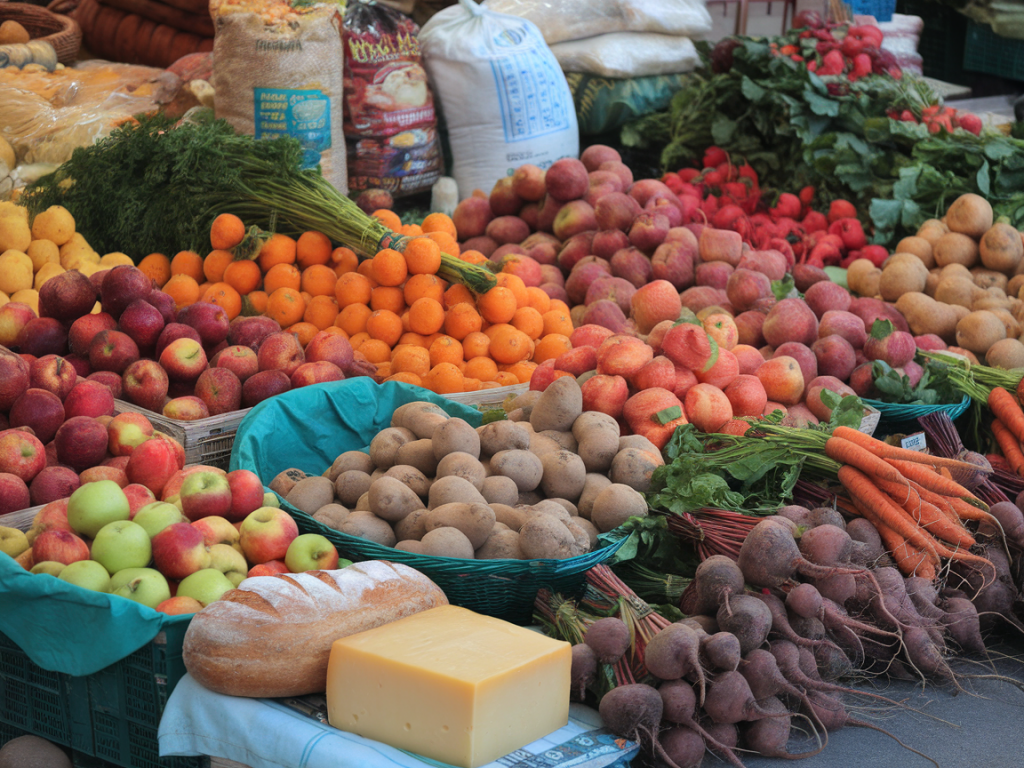
There’s something satisfying about a small pile of fresh ingredients turning into a week’s worth of dinners. I started doing a weekly £20 market shop not because I needed to be frugal (although that’s a lovely bonus), but because it turns decision fatigue into a creative problem: how many good meals can I coax out of a little? Shopping at the market helps — produce is often cheaper and fresher than supermarkets — and it forces me to plan sparingly and purposefully.
How I plan for five weeknight meals from £20
My approach is simple and flexible: pick a few versatile core ingredients, add one or two flavour boosters, and use techniques like batch-cooking, repurposing, and simple sauces to stretch everything across five different dinners. I usually plan around a protein (or two), a handful of vegetables, a pantry staple like rice or pasta, and something to add texture — cheese, seeds, or nuts. A good market seller will often let you buy smaller portions, which helps when you only have £20 to spend.
Sample shopping list (market-friendly) — totals approximate
| Item | Estimated price |
|---|---|
| Whole chicken (small) or 4 chicken legs | £5.00 |
| Loose carrots (6) | £0.80 |
| Leeks or onions (3) | £0.90 |
| Bag of potatoes (1.5kg) | £1.50 |
| Bag of seasonal greens (spinach/kale/lettuce) | £1.50 |
| Tomatoes (4) or a tin of chopped tomatoes | £1.00 |
| Eggs (6) | £1.50 |
| Rice (500g) or pasta (500g) | £1.00 |
| Block of cheddar or feta (200g) | £2.50 |
| Garlic and lemon | £0.50 |
| Total | £16.20 (approx.) |
I usually end up with a bit of slack in the £20 to pick up a treat like a small baguette, a jar of olives, or some fresh herbs. Prices vary by market and season, but this gives a realistic starting point.
Meal plan: five different weeknight dinners
- Roasted chicken with herby potatoes and carrots — A classic first-night meal. I roast the whole bird or legs with cut potatoes, carrots, garlic and a lemon halved. The flavours are simple and everything cooks on one tray.
- Chicken and vegetable soup — From the roasted carcass I make a big pot of broth, add diced carrots, leeks/onions and leftover potatoes, then shred any leftover meat. Finish with a squeeze of lemon and chopped parsley if you have it.
- One-pan tomato pasta with greens and feta — Use the tin of tomatoes (or fresh tomatoes if you prefer), garlic, pasta, and rough-chopped greens. Stir in crumbled feta at the end for creaminess. It’s quick, bright, and comforting.
- Potato and leek frittata — Leftover boiled potatoes, sautéed leeks/onion, and eggs make a filling frittata. Serve with a green salad or wilted greens tossed in lemon and olive oil.
- Stir-fried rice with egg and greens — Cooked rice from the bag is perfect for a quick fry-up: garlic, chopped carrots, greens, a couple of beaten eggs scrambled through, and soy sauce (or a splash of Worcestershire/lemon + salt if you don’t have soy).
How to cook once, eat twice (or more)
Batch-cooking and reuse are where the magic happens. When I roast a chicken, I always save the carcass. It’s the easiest way to make broth in under an hour: cover with water, add a halved onion, carrot tops, a bay leaf if you have one, simmer gracefully, then strain. That broth becomes soup, risotto, or a cooking liquid for rice. Leftover roasted veg becomes the base for a frittata or a chunky pasta sauce. A little planning at the start of the week means minimal effort later.
Timing and simple tricks to save time
- Cook the chicken while prepping other things: pop it in the oven first, then prep potatoes and veggies while it roasts.
- Use one-pot methods: the less washing up, the more likely you’ll keep the habit. One-pan roasted dinners or one-pot pasta are weekday heroes.
- Make rice and boiled potatoes in bulk: they’re neutral, filling, and transform into multiple dishes.
- Store smart: put leftovers in shallow containers to cool quickly; label with dates so nothing gets forgotten.
Flavour boosters that stretch a pound
Small items go a long way: a lemon, a bulb of garlic, or a jar of mustard can brighten multiple meals. If the market has fresh herbs cheaply, they’re worth it — parsley, coriander, or mint can transform soups, salads, and sauces. I sometimes pick up a small jar of olives or capers for an instant umami kick in pasta or salads.
Adaptations for vegetarians or different budgets
If you’re skipping meat, potatoes, eggs, pulses (like a bag of lentils) and seasonal veg can create the same diversity. Lentil stew, carrot and cumin soup, potato and leek pie, rice and beans, and chickpea and tomato pasta are sturdy swaps. And if you have just £15 instead of £20, focus on rice/pasta, a large bag of seasonal veg, eggs, and a tin of tomatoes — many of the same meals are still possible.
Common questions I get
- Can £20 really feed two people for five nights? Yes, with portioning and simple sides like rice or potatoes. If you’re feeding more, add another cheap protein like a tin of tuna or extra eggs.
- What if my market doesn’t sell a whole chicken? Buy chicken legs or thighs, or substitute with a tin of chickpeas and adjust meals to bean-based soups, stews, and salads.
- How do I keep food from getting boring? Change herbs, swap lemon for vinegar, add a different cheese, or a new spice. Small tweaks make familiar meals feel new.
My little rituals that make this fun
I write the plan on a sticky note and stick it to the fridge — it’s oddly satisfying to tick off the meals as the week goes on. I also keep a drawer with basic pantry essentials: oil, salt, pepper, dried herbs, and a jar of stock cubes. That way, if I’m missing one tiny thing, I can still cook confidently. And finally, I try to treat one dinner as a “fridge-eye” meal — one where I experiment with whatever’s left. Those nights often surprise me.