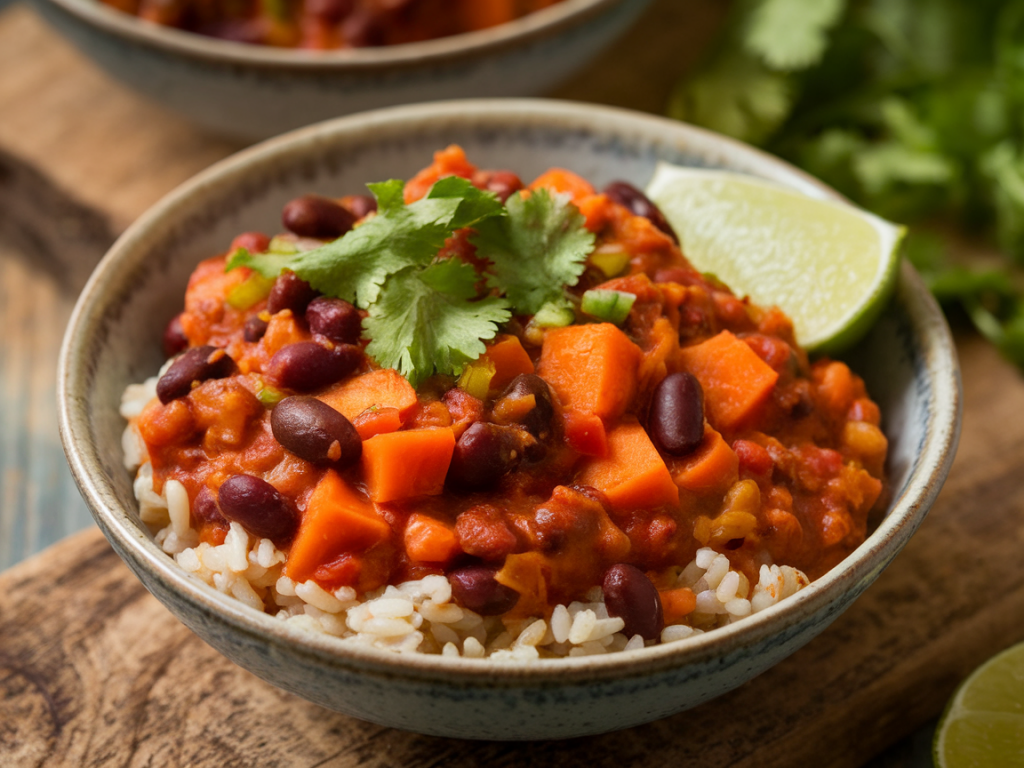
I love comfort food: the warm hug of a bowl of mac and cheese, the crispy pull of fried chicken, the softness of a big spoonful of mashed potatoes. But I also like feeling light and energetic after a meal, not weighed down. Over the years I’ve learned that making a comfort-food recipe healthier rarely means sacrificing flavor — it’s about swapping, amplifying, and sometimes letting a little technique do the heavy lifting. Here are practical, adaptable ways I use to keep the soul of a dish while nudging it toward better-for-you territory.
Change textures, not taste
One of the easiest ways to cut fat and calories without losing pleasure is to recreate textures that satisfy the brain. Take crispiness for instance: a crunchy topping can make a dish feel indulgent even if the base is lighter.
- Air-fry instead of deep-fry. I air-fry chicken or potatoes with a light coating of oil spray and panko for that irresistible crunch. The result is very close to deep-frying but uses a fraction of the oil.
- Toast breadcrumbs with herbs. For macaroni, casseroles, or even roasted veg, I mix whole-wheat panko with a small amount of olive oil, lemon zest and parsley, then bake until golden. That crunchy top feels luxurious and keeps the inside portion smaller without disappointing.
- Roast for caramelised flavours. Roasting vegetables like carrots, onions or brussels sprouts brings out natural sweetness and umami, which makes you less likely to want heavy sauces.
Use swaps that add nutrition and flavour
Small ingredient swaps go a long way. I aim for substitutions that add fibre, protein, or micronutrients while keeping the dish recognisable.
- Boost with legumes — In chilli, bolognese or shepherd’s pie, I swap half the meat for lentils or chopped mushrooms. They soak up flavours and give you more fibre and plant protein.
- Mix roots and potatoes — For mash, try half potato and half cauliflower or celeriac. Steam and mash together with a knob of butter and a little milk or Greek yogurt for creaminess. You get the comfort without the carb overload.
- Use Greek yogurt instead of cream — It’s my go-to in sauces, dressings and dips. It adds tang and creaminess with less fat, and a spoonful of mustard or miso helps emulate richness.
- Go for whole grains — Swap white pasta for whole-wheat or legume-based pasta. They hold up well in creamy sauces and add extra fibre to keep you full longer.
Let umami do the heavy lifting
Umami makes everything taste deeply satisfying. Adding concentrated savoury flavors lets you cut back on butter and salt without losing depth.
- Miso — Stir a teaspoon of white miso into soups, gravies or mashed potatoes for instant depth. It’s salty and savory, so reduce added salt elsewhere.
- Nutritional yeast — This is my secret in lighter mac and cheese. It gives a cheesy, nutty flavour and packs in B-vitamins and extra umami without dairy fat.
- Soy sauce, fish sauce, anchovy paste — Small amounts go a long way. A teaspoon of fish sauce in a pot of greens or beans brightens the whole dish.
Season boldly and use acids
Careful seasoning changes the perception of richness. When something tastes complex, we’re less tempted to pile on heavy sauces.
- Finish with acid — A squeeze of lemon or a splash of vinegar just before serving wakes up flavors. I always keep a bottle of sherry vinegar or good lemon juice handy.
- Herbs and aromatics — Fresh herbs, toasted spices, garlic and shallot add freshness and aroma. Try lots of parsley, thyme, or a scattering of chopped chives on creamy dishes.
- Smokiness — Smoked paprika or a drop of liquid smoke adds an indulgent note without extra calories.
Shrink portions intelligently
Sometimes healthier eating is as much about quantity as quality. But portion control doesn’t mean eating less joy — it’s about composition.
- Plate like a pro. Make vegetables the largest component on the plate, grains or starch a moderate portion, and protein a palm-sized serving. A small spoonful of sauce goes far when your plate is colourful.
- Serve family-style — Placing dishes in the center and letting people help themselves slows eating and often leads to more mindful portions.
Use small technique tweaks
Cooking method changes can transform a recipe. I’m always surprised how much less butter or oil I need when I roast, braise or stew with patience.
- Sweat, don’t fry — Cook onions and garlic over a lower heat to soften and sweeten them without adding much oil. Use a splash of stock instead of a frying fond.
- Deglaze for flavour — After browning meat or veg, add a splash of wine, stock or vinegar to lift the fond. It creates sauce with minimal fat.
- Finish with a small amount of good fat — A teaspoon of high-quality butter or extra-virgin olive oil added at the end tastes indulgent while being less calorific than cooking everything in fat.
Practical swaps: quick examples I use
| Classic | Healthier swap | Why it works |
|---|---|---|
| Heavy cream in mac and cheese | Low-fat milk + Greek yogurt + nutritional yeast | Maintains creaminess and cheesy flavor with less fat and added protein |
| Deep-fried chicken | Breaded air-fried chicken with whole-wheat panko | Crisp texture with far less oil but the same crunchy satisfaction |
| Mashed potatoes with butter | Half potato, half cauliflower, olive oil drizzle | Lower carbs, more fibre, still creamy and comforting |
| Beef chilli with lots of meat | Half mince, half brown lentils | More fibre and volume, similar mouthfeel and savory flavor |
A few brand and product notes I find handy
I often keep a few pantry staples that make healthy swaps feel effortless: a tub of full-fat Greek yogurt (it’s versatile), Biona or Clearspring miso, a good quality nutritional yeast like Marigold, and a legume-based pasta such as Banza for quick swaps. For air-frying, my Philips or Ninja air-fryer gives consistent results — but any model will do the trick.
Making comfort food healthier isn’t about strict rules — it’s about making smart changes that respect the original dish. Start with one swap, taste as you go, and pay attention to what you miss. Often you won’t miss anything at all.