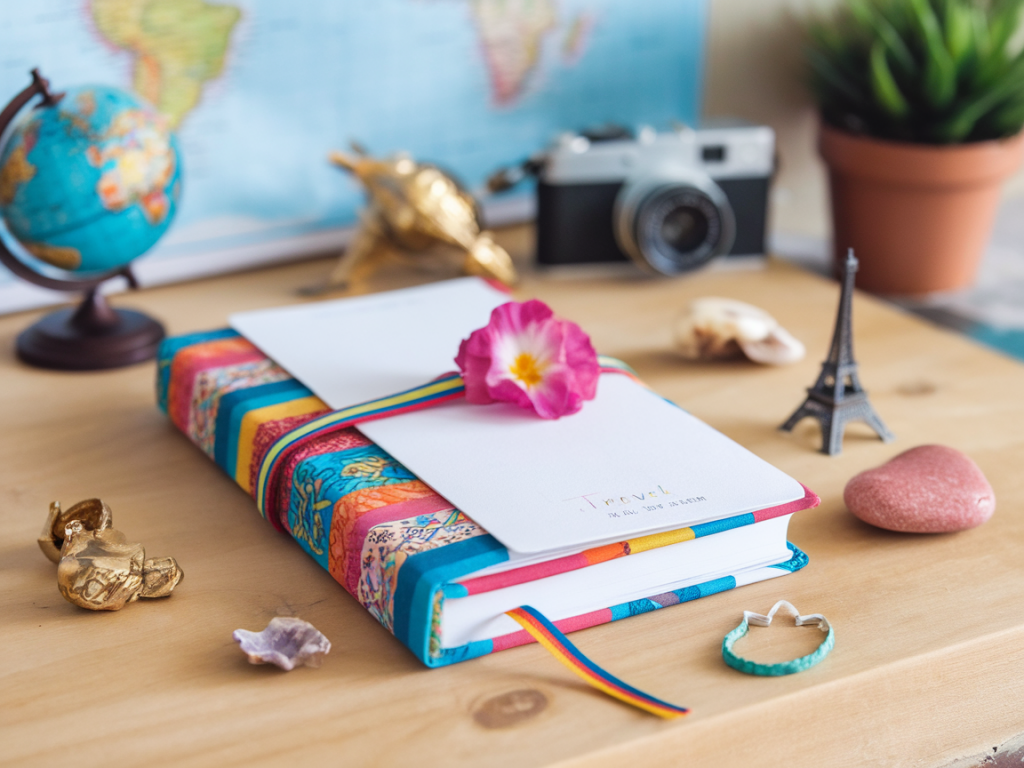
I used to start travel journals with grand intentions: full-page entries, pressed flowers, ticket stubs taped in neat columns. I loved the idea of a perfect souvenir of every trip. The reality? A few pages in, my journal would collect dust in the bottom of my bag or pile up on a shelf, and I would feel guilty every time I opened it.
Over the years I've learned to keep a travel journal in a way that actually fits the messy, delightful rhythm of real trips. It’s less about creating a museum piece and more about making something I can finish, re-read, and share. Here’s the easy, practical approach I now use—one that works whether I’m on a weekend city break or a month-long slow trip.
Why I keep a travel journal (even when I’m tired)
Keeping a journal isn’t about documenting every detail. For me it’s a way to:
These are reasons that actually motivate me to keep writing. Knowing the journal is for practical, personal use—not for creating something perfect—takes the pressure off.
What I carry (minimal and flexible)
Overpacking stationery is a fast route back to an unfinished notebook. Now I keep the kit intentionally small:
If I’m really trying to simplify, my phone plus one notes app will do—more on digital options later.
The format I actually finish
The trick that helped me finish journals is this: short, regular entries rather than rare, long ones. I make three types of entries, and I rotate through them depending on time and energy:
Having these three defined options keeps me from thinking I need to write a masterpiece every day. If I only have 60 seconds, I use the micro-entry. Small wins add up.
Practical routines that make journaling stick
Routines don’t have to be rigid to work. I use gentle habits as triggers:
When I miss a day, I don’t punish myself. I try to write the next time I have a spare moment. The aim is continuity, not perfection.
Prompts to get words flowing
When I’m stuck, prompts help. I keep a small list in the front of my notebook. A few favourites:
Prompts take the pressure off open-ended creativity and are especially useful when travel fatigue sets in.
Photos, mementos and how (not) to overcommit
I used to paste everything into my notebook. Now I follow one simple rule: only add mementos that add context. A ticket stub that notes a train time I’d forget, a business card of a café worth revisiting, a photo of the view from my favourite bench—these are worth keeping.
For photos, I use Google Photos to create a trip album and then insert just a couple of printed snapshots into the journal later if I want. If you prefer digital-first, apps like Day One or Journey are great for combining text, photo and location automatically.
Paper vs digital: pick what you’ll actually use
I’m partial to paper for sensory memory—it slows you down and forces selection. But on long trips, I switch to digital because it’s faster and easier to back up.
If you choose digital:
How I turn the journal into something I’ll re-read
Finishing isn’t just about filling pages; it’s about making a journal that invites rereading. I do three things:
Those small finishing rituals transform a pile of notes into a readable story of the trip. They also make the journal feel complete—no pressure to make every page perfect, just a coherent memory to revisit.
If you want a simple start right now: grab a small notebook and write one micro-entry about today’s city, café or street. Don’t aim for perfect—aim for honest. That tiny habit is what will let you finish a travel journal you’ll love to open again.