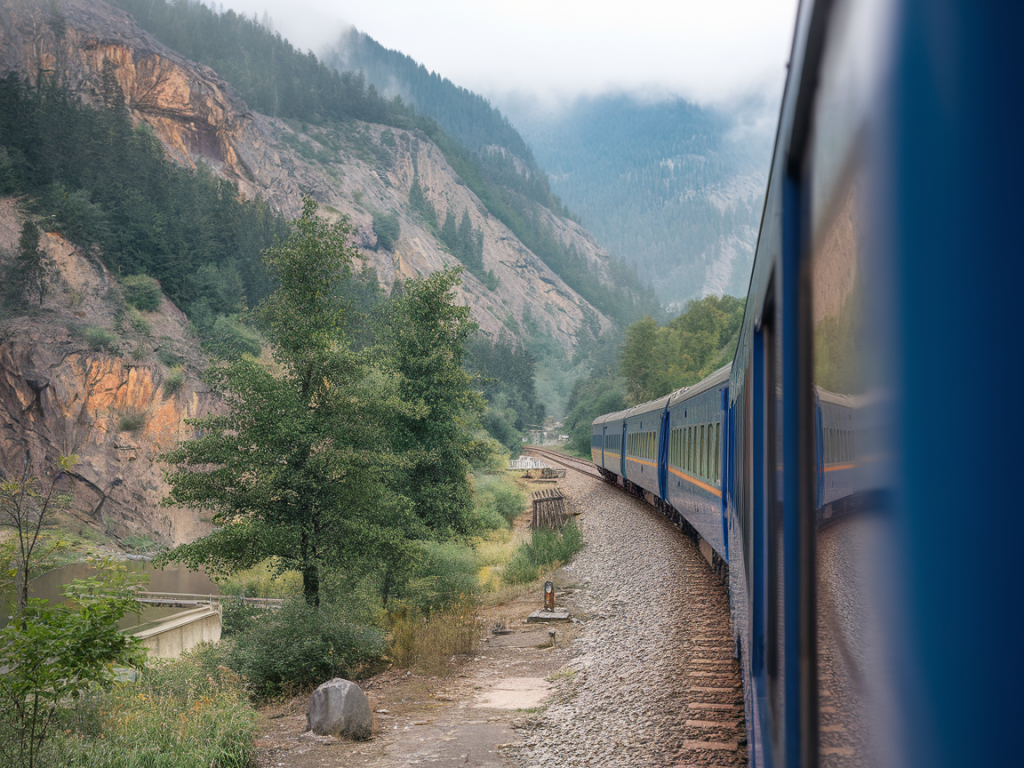
Why I love three-stop micro-adventures
I’m a big fan of short, intentional escapes that don’t require a week off or a full suitcase. A three-stop micro-adventure by train or bus is my favourite way to press pause and see new bits of the world within a single day. It’s long enough to feel like a proper outing, but compact enough that you can plan it with minimal fuss — and bring a delicious picnic.
What I love about this format is the rhythm: two gentle transitions between places, pockets of exploration, and a slow restoration that only comes from moving at public-transport pace. You don’t have to be an expert planner. With a few habits and a simple checklist, you can design a trip that feels spontaneous and well thought-out at the same time.
Choosing your route: how to pick three stops
Start with one idea — a town you’ve been curious about, a coastal stretch, a patch of countryside or a string of villages along a bus line. Then build around it:
Make one stop your anchor (the place you most want to explore).Choose a first stop that’s easy and relaxing to arrive at (a café or park for coffee and stretching your legs).Use the final stop as a gentle ending — a viewpoint, a station with good connections, or a cosy pub before heading home.Practical tips:
Look at service frequency: rural bus lines may run only once an hour, so align stops to avoid long waits.Watch travel times — ideally each leg should be 30–60 minutes to keep momentum without tiring out.Google Maps and Railplanner or local transit apps help identify logical chains of stops; National Rail or Trainline in the UK are useful for timetables and fares.One-sentence itinerary examples
Here are three simple templates you can adapt to your area:
City — coastal village — cliff-top picnic — return from the nearest station.Market town — riverside walk with picnic — historic hamlet — evening tea back in town.Train station coffeeshop — wooded walk and picnic — lakeside viewpoint — bus home.Packing a picnic with minimal planning
I keep my picnic lightweight, modular and delicious. The goal is food that travels well and requires little prep.
Base: a sturdy loaf (sourdough or ciabatta) or wraps. These resist squashing and make versatile sandwiches.Fillings: a jar of hummus, a bar of mature cheddar, a pack of cured salami or slices of roasted vegetables. Olives and pickles keep things lively.Produce: apples, grapes, cherry tomatoes, or small plums — fruit that won’t bruise immediately.Extras: nuts, dark chocolate, biscuits or oat bars for quick energy.Drink: bottled water and a thermos of tea or coffee if you enjoy something warm. Bring a small bottle of sparkling water or a can of artisan lemonade for a treat.Packaging and gear:
A reusable picnic blanket or a lightweight tarp (I use a waterproof one when grass is damp).Cutlery: a small set of reusable cutlery and a serrated knife in a protective sleeve.Storage: beeswax wraps or reusable silicone bags — compact and sustainable.Waste bag: always bring one to pack out your rubbish.Timing and pace: what a relaxed timetable looks like
A relaxed micro-adventure doesn’t need exact minute-by-minute plans, but a rough timetable helps.
Start: morning coffee near your home station (gives you a buffer if trains are delayed).Stop 1 (1–1.5 hrs): stretch, explore a local street, maybe visit a small shop or gallery.Transit: 30–60 minutes to Stop 2 — use this time for reading, photography or simply watching the landscape.Stop 2 (2–3 hrs): picnic spot and a longer walk or gentle hike. This is where you slow down most.Transit to Stop 3: short ride to a village or viewpoint for a final stroll and a cup of tea.Return: time your final connection home so you’re not rushing — off-peak trains and buses are often more comfortable.Buying tickets and saving money
Minimal planning doesn’t mean overpaying. A few small steps often saves money and stress:
Buy tickets before you board — it’s often cheaper and removes the worry of onboard purchases.Use railcards if you travel frequently; Family & Friends or 16–25 railcards in the UK make a difference.Look for group day returns or off-peak fares when possible.For buses, contactless or local day passes are handy if you’ll hop on and off within a region.Apps and tools I actually use
I keep my kit minimal but rely on a couple of apps to make the day smooth:
Google Maps for quick routes and walking times.National Rail Enquiries or Trainline for train times (I check both for platform and service updates).Citymapper in urban areas for fast public-transport navigation.Weather app (Met Office, BBC Weather, or Meteo), so I don’t picnic in a downpour.Accessibility, comfort and unexpected delays
Micro-adventures should be welcoming, not stressful. A few considerations:
Check station accessibility if you or your company needs step-free routes or ramps.Bring a lightweight foldable stool if you prefer not to sit on the ground.Plan a backup indoor venue — a café or community hall — in case of bad weather.Pack a spare sweater and a lightweight waterproof jacket; weather changes fast near coasts and hills.Low-effort activities to enjoy at each stop
You don’t need a full itinerary to make each place memorable. Try one simple activity at each stop:
Stop 1: people-watch at a café and write two quick lines about a person you notice — a tiny creative prompt.Stop 2: spread the picnic and take a silent 20-minute walk — no phone, just senses.Stop 3: find a local shop or a bench with a view and sketch or photograph something small.Leave no trace and local kindness
I always try to leave places as I found them:
Take rubbish with you and avoid single-use plastics where possible.Buy something small locally if you enjoyed a village — a slice of cake, a postcard or a bottle of water — it supports small businesses and feels good.Respect private property and stick to public footpaths.Sample day: a micro-adventure I actually did
One spring Saturday I caught a regional train to a market town I’d never visited. Stop 1 was a café by the station — black coffee and a lemon drizzle slice while I thumbed a local leaflet. The next leg was a short bus to a riverside reserve. We unpacked a picnic (sourdough, cheddar, charcuterie, grapes) and followed a marked trail for an hour, ending at a little wooden jetty where we sat and dipped our feet. The final stop was a clifftop viewpoint reached by a short bus ride. We watched the light shift and had a thermos of tea before catching the evening train home. Minimal planning, full day of quiet discoveries.
Quick packing checklist (copyable)
| Essentials | Tickets, phone, power bank, wallet |
| Picnic | Bread/wraps, cheese/protein, fruit, nuts, water, thermos |
| Gear | Blanket/tarp, reusable cutlery, knife, waste bag |
| Comfort | Jacket, hat, foldable stool (optional) |
If you’d like, I can sketch a bespoke three-stop route for your local area — tell me your departure station or the kind of landscape you crave, and I’ll suggest a loose itinerary with timing and picnic ideas to match.