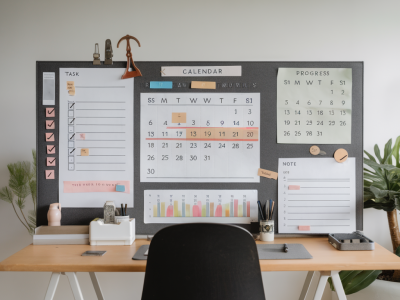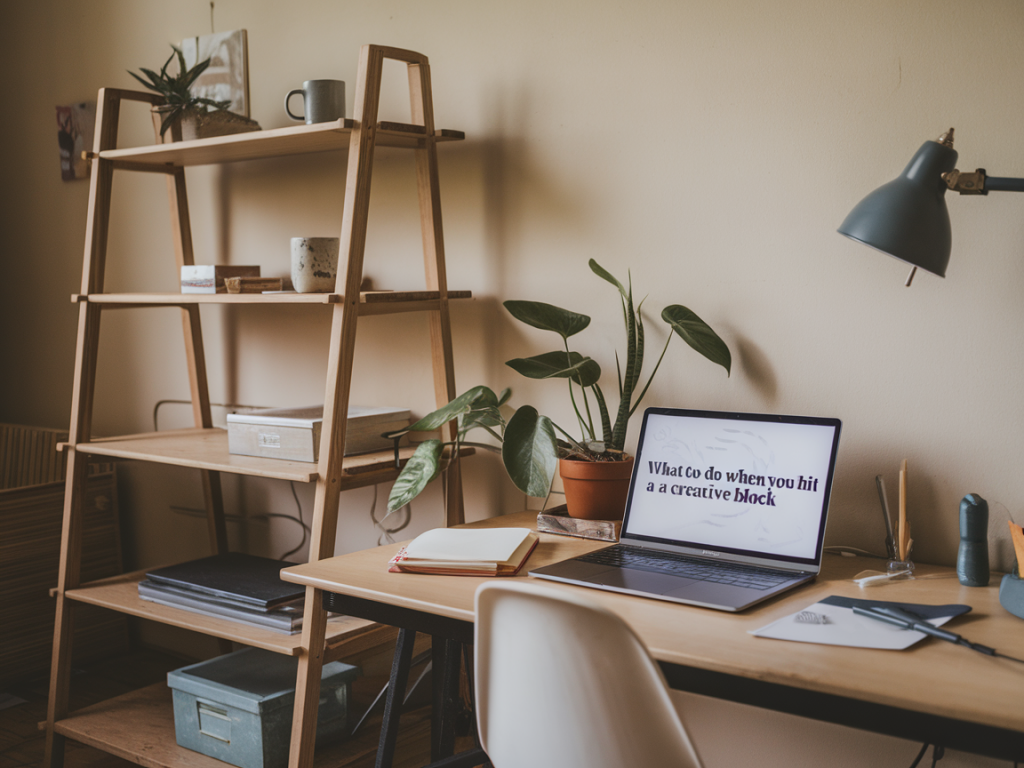
Creative block shows up for me like a stubborn fog that settles over a day I’d already scheduled for ideas. It’s not dramatic — usually it’s just a low hum of resistance: everything feels a bit flat, my to-do list looks intimidating, and the notebook sits closed. Over the years I’ve tried many “solutions” — hours of waiting for a muse, long walks that ended in the same thought loop, or forcing myself into a big project I wasn’t excited about. None of that worked reliably. What did help was developing a small collection of low-pressure prompts that nudge curiosity back into the room without asking for perfection. Below are five of my favourites, how I use them, and quick variations you can try on the spot.
Why low-pressure prompts matter
When I’m blocked, the problem isn’t a lack of ideas — it’s that my brain is protecting itself from judgment. Low-pressure prompts remove stakes: they’re tiny, playful, and reversible. You don’t have to produce something publication-ready; you just have to show up. That shift in expectation is often enough to get something rolling, whether it turns into a full piece or simply clears space for the real idea to emerge.
How I set up the environment
I rarely rely on willpower alone, so I prepare a small context before trying a prompt. Usually this means:
Setting these small scaffolds makes the prompt feel like an invitation, not a test.
Five low-pressure prompts that work
Below are the prompts I return to when nothing seems appealing. I list them as short actions you can do in 10–30 minutes, plus the reasons they help and quick variations.
- Two-sentence story from an object
Pick any object nearby (a mug, a pen, a plant) and write a two-sentence story where the object is either the protagonist or the clue to a scene. Keep it concrete and sensory.
Why it works: Limiting length frees you to choose sensory detail over grand narrative. The object anchors imagination so you don’t get lost in options.
Variation: Photograph the object and write two captions — one literal, one metaphorical.
- 5-minute stream-of-questions
Set a timer for five minutes and write only questions — no answers. Ask anything, from practical (“What small routine could make my mornings calmer?”) to absurd (“How would a lemon teach me to be brave?”).
Why it works: Questions shift you into curiosity mode rather than performance mode. They generate directions to explore without demanding outcomes.
Variation: Take the most interesting question and spend ten minutes sketching quick notes or three possible answers, then stop.
- The mini-constraint list
Create a tiny constraint and then work inside it. For example: write a 100-word scene that includes rain, a missed train, and a joke about a hat. Or make a single collage page from magazine cuttings, each piece only touching another at one point.
Why it works: Constraints are liberating because they reduce choices; they give you boundaries to improvise within.
Variation: Use a random word generator or a word from a book you’re reading to supply one constraint.
- Change the medium
If you normally type, try handwriting for ten minutes; if you sketch, try a voice note. The goal is to break the motor routine so your brain resets. I sometimes dictate a paragraph on my phone while walking and then transcribe the surprising sentences that feel worth keeping.
Why it works: Different modes use different parts of the brain and make habitual criticism less likely. The roughness of a new medium is forgiving.
Variation: Try a micro-podcast — a 60-second rant about a tiny obsession. No editing required.
- Reverse inspiration file
Open a document titled “tiny sparks” and paste three unrelated snippets: a sentence from a book, a lyric line, and a photo. Spend 15–20 minutes connecting them — write a paragraph, a prompt, or a tiny plan for a project that links all three.
Why it works: Bringing unrelated pieces together forces unusual associations and often surfaces fresh metaphors or angles you wouldn’t otherwise consider.
Variation: Build a one-sentence elevator pitch that includes all three elements.
How to treat what you produce
One trap is treating the output of these prompts as "failed drafts" if they don't immediately become finished work. I changed my relationship to these exercises when I started categorising results in two simple ways: seed (an idea worth exploring further) and exercise (a practice that trained a skill). Most of what I create with these prompts is an exercise; sometimes a seed emerges. Both outcomes are useful.
When I find a seed, I add a single follow-up action (no more than 15 minutes) to the entry — e.g., “expand to 400 words” or “sketch a rough outline.” If it still excites me after that one follow-up, it moves into my project list. Otherwise, it’s archived as a note; I rarely delete it. Often months later, those tiny pieces reappear as inspiration for something else.
Practical tips to make prompts stick
- Keep a small idea drawer: a folder or document labeled “tiny sparks.” Drop in anything from prompts, scraps, to photos. It’s a visual reminder that creativity is cumulative.
- Timebox generously: 10–30 minutes per prompt is enough to feel the benefit. Short bursts reduce dread and increase frequency.
- Make it social sometimes: invite one friend to do the same prompt and swap outputs. The accountability is light and often hilarious.
- Use physical tokens: I have a small jar of index cards; when I’m blocked I draw one at random. The ritual of pulling a card is as effective as the prompt itself.
Short examples from my notebook
| Prompt | Result | Follow-up |
| Two-sentence story from an object (old teacup) | "The teacup kept an island of steam even after the kettle had cooled. It refused to be ordinary, already rehearsing names for the fog." | Expand into a micro-essay on domestic magic (400 words). |
| 5-minute stream-of-questions | A list of 18 questions that later became blog prompts about slow travel and tiny rituals. | Pick three questions and schedule posts for the next month. |
If you’re curious but worried about time, try the two-minute version of any prompt. Two minutes of free writing, or a single photo taken from a different angle, is often enough to crack the surface. The point isn’t to finish something monumental — it’s to move, even a little bit, and let the creative muscles remember how to be curious.