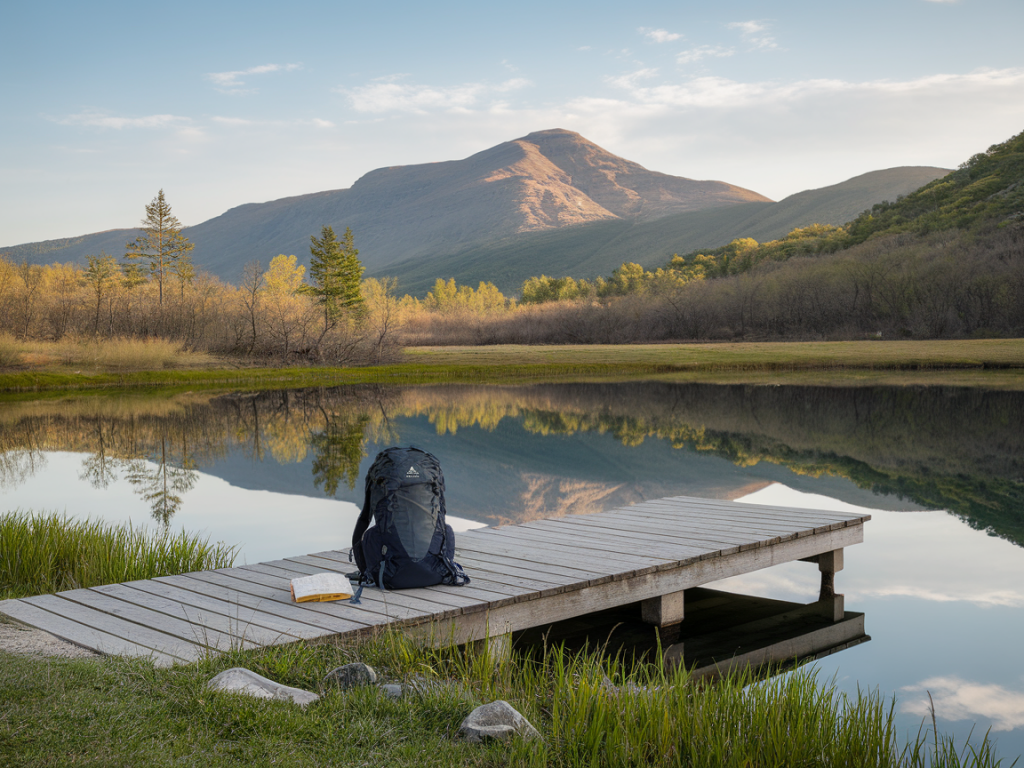
I love short solo escapes — the kind that fit into a weekend between commitments, that require nothing more than a backpack, a paperback and a loose plan. They are big enough to feel like a proper break, and small enough to leave my routines intact. Here’s how I plan a restorative 48-hour solo trip so it feels deliberate without being rigid, nourishing without being exhausting, and refreshingly doable on short notice.
Why a 48-hour escape?
There’s something powerful about intentionally stepping out of your regular rhythm for two days. It’s long enough to feel removed from inbox pressure and small daily frictions, but short enough that coming home doesn’t feel like re-entry into a different life. I find these mini-retreats sharpen my curiosity, reset my energy, and give me a few pages worth of memories and ideas to carry back into everyday life.
Picking the right destination
For a 48-hour solo trip I choose somewhere within a two-hour train or drive from home. The goal is low transit friction. If getting there feels like half the trip, the restorative quality diminishes.
- Coastal towns: fresh air, sea walks and cafés that invite slow reading.
- Small market towns: wandering streets, independent bookshops and honest local food.
- Rolling countryside with a well-rated inn or a simple B&B: green views and a kettle that sings at tea time.
- City escapes: pick a neighbourhood rather than trying to do everything — a museum, a park, and a good bakery.
I usually look for a one-night stay that has a characterful common area — a lounge, a courtyard or a breakfast room where I can linger. Booking.com, Airbnb and boutique chains like The Hoxton or local independent guesthouses often fit this brief.
Packing: the essentials (and what I leave behind)
Less is liberating. My aim is a light backpack that still has every comfort I want for two days.
| Category | What I bring | Why |
|---|---|---|
| Bag | Daypack (20–25L) or small backpack like Osprey Daylite | Comfortable to carry, fits a paperback and a water bottle |
| Clothing | Two tops, one jumper, one pair of jeans/trousers, socks & underwear, packable jacket | Layering keeps choices minimal but flexible |
| Shoes | Comfortable walking shoes + optional sandals | Good for wandering without packing bulky options |
| Toiletries | Mini essentials, travel toothbrush, multipurpose balm | Simple and compact |
| Tech | Phone, charger, earbuds, Kindle Paperwhite | Phone for snaps and maps, Kindle for distraction-free reading |
| Extras | Moleskine notebook & pen, reusable water bottle, small snacks | Jotting ideas and staying hydrated keeps the pace gentle |
I deliberately avoid work devices unless I’m testing a productivity tool. If I must bring a laptop, I schedule a single block of time for it and keep the rest of the escape device-free.
The paperback: choosing the right book
A paperback is not just entertainment — it’s a tactile anchor. I pick books that are immersive but not heavy. Here are my go-to categories:
- Comforting fiction — gentle prose with a steady pace (think: Elizabeth Strout or Ali Smith)
- Memoir with warmth and curiosity (I often reach for someone who writes about travel or small obsessions)
- Short story collections — perfect for dipping in and out between walks or café pauses
I love pairing a paperback with a small notebook. Reading often sparks a line or idea I want to revisit; jotting it down makes the trip feel both restful and generative.
Designing a loose itinerary
The trick is structure without a schedule. I plot a handful of gentle anchors: one planned meal, one walk, one reading slot, and one café or gallery stop. Everything else is optional.
- Day 1 afternoon: Arrival, check-in, 30–45 minute walk to get my bearings, coffee stop.
- Day 1 evening: A leisurely meal at a locally recommended spot; post-dinner reading or an early night depending on mood.
- Day 2 morning: Sunrise or early walk, breakfast, an hour of reading in a park or by the water.
- Day 2 midday: Visit a small museum, market or coastal path; slow lunch and optional journaling.
- Return late afternoon/evening: buffer time built in so travel doesn't feel rushed.
This template keeps the day open to curiosity. If I stumble across a great bookstore or a hidden viewpoint, I stay. If it rains, I retreat to the room with a headphone playlist and a pot of tea.
Simple rituals that make it restorative
Small rituals anchor the day and turn ordinary moments into restful ones.
- Morning stretch and five minutes of breathing before I head out.
- Picking one cafe seat and staying put for a block of time rather than flitting between places.
- Leaving my phone in airplane mode for larger stretches; allowing messages at two set check-in times.
- Ordering one new thing to try — a local bread, a tea, a dessert — as a small act of curiosity.
Practical tips that save stress
Because restoration shouldn’t be undermined by small logistic hassles:
- Book accommodation with free cancellation; it removes pressure if I change plans.
- Pack a paper map snapshot or a downloaded offline map for places with patchy signal.
- Bring a portable phone battery — it’s small insurance for long days of photos and maps.
- Check opening hours for the few places I really want to visit so I don’t schedule disappointment.
How I manage work and obligations
I set an out-of-office note for the trip window and flag one person as the emergency contact. If I'm testing a time-management habit, I might allocate a single 45-minute email check on the second evening — just enough to keep things smooth without breaking the restorative spell.
These mini escapes are intentionally low-fi: a backpack, a paperback, a few sensible rituals and the permission to slow down. They don’t need to be elaborate to be meaningful — often the best part is the quiet space they create for noticing small pleasures and returning home with a lighter perspective and a few new ideas to try.