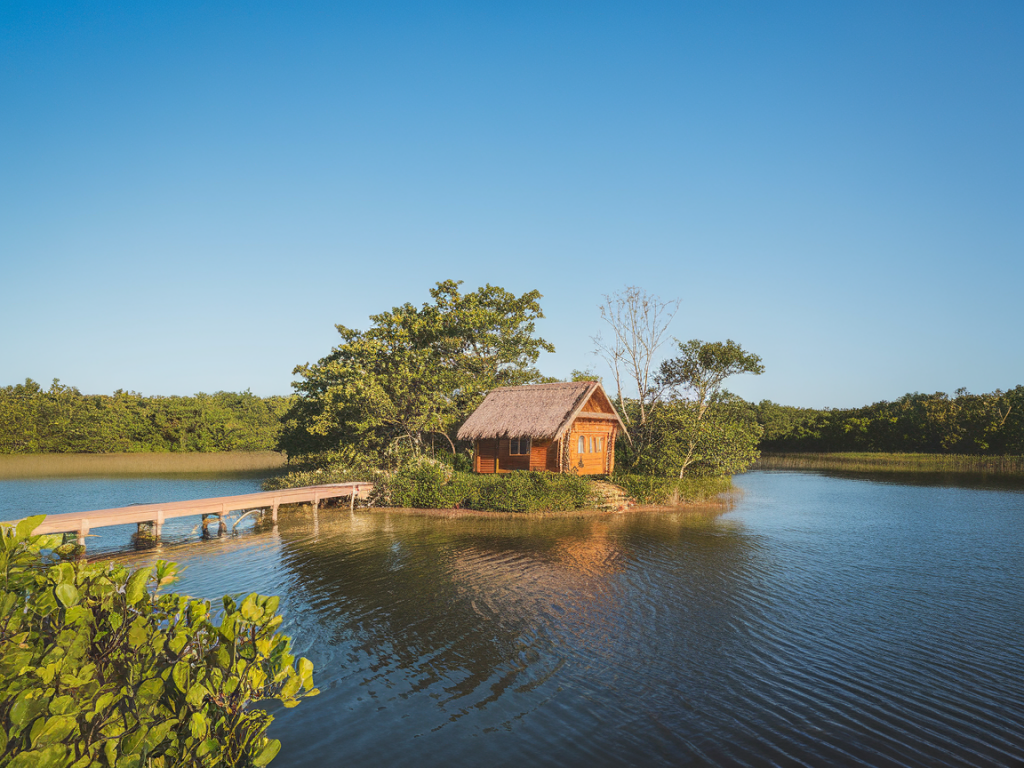
I used to think a weekend away meant squeezing in as many “must-sees” as possible: three museums, two cafés, one viewpoint and a guilt-driven list of photos to take. Those trips left me tired and oddly disconnected. Over time I learned that a restorative weekend is less about a checklist and more about setting a pace that lets curiosity and rest happen together. Here’s how I plan a slow travel weekend now — the kind that feels nourishing rather than rushed.
Start with intention, not an itinerary
Before I book trains or pick hotels, I ask myself two simple questions: What do I want to feel by the end of this weekend? and What’s the smallest thing that would make the trip feel worth it? The answers shape everything. Some weekends I want to feel relaxed and untethered; others I want to feel creatively sparked. That intention helps me choose a destination and plan just enough to support it.
Set one or two non-negotiables that align with your intention. For example:
- If rest is the goal: a comfortable place to read for an hour each morning, and a late breakfast ritual.
- If exploration is the goal: one long walk and one unplanned discovery (a market, a tiny gallery, a local bakery).
Choose travel times that protect your weekend
I avoid leaving on Friday evening if I can — congestion, stress and late arrivals kill the calm. Instead, I favour early trains on Friday afternoon or a relaxed Saturday morning departure. If you can, travel slower: regional trains, a ferry, or a daytime drive where the journey itself becomes part of the weekend's rhythm.
When possible, I pick accommodation within walking distance of a neighbourhood I like. That tiny extra convenience removes decision fatigue and encourages leisurely wandering.
Pace your days like a good book
Slow travel isn’t about doing nothing; it’s about spacing activities so there’s breathing room between them. I structure my days into three gentle parts:
- Morning: uncomplicated, deliberate — a walk, a coffee ritual, a small creative task (sketch, write a paragraph).
- Midday: the main outing — a museum, a market, a hike — approached with curiosity rather than speed.
- Evening: low-key and sensory — a slow meal, music, people-watching or a bath.
Between those anchors I allow unplanned pauses: a bench to read, a shop to browse or a scenic detour. These gaps are where the restorative part happens.
Pack for calm, not catastrophe
My slow-weekend packing is small and purpose-driven. I avoid “what if” items and bring things that make me feel comfortable and creative.
- Clothing: two tops, one cosy sweater, one pair of trousers/jeans, comfortable shoes, lightweight waterproof, sleepwear.
- Essentials: small notebook, a pen, a lightweight camera or smartphone with extra battery pack, reusable water bottle, simple skincare items.
- Optional: a paperback or e-reader, a knitting project or small sketchbook, noise-cancelling earphones for travel.
Less luggage means lighter movement and fewer choices, and that simplicity keeps my focus on the experience.
Choose an activity ratio you can live with
Instead of filling the day, I think in ratios. A comfortable rhythm for me is 60/30/10: 60% downtime and wandering, 30% planned activity, and 10% room for surprise. That looks different depending on the trip, but it keeps the schedule generous enough for rest and serendipity.
Design meals as mini rituals
Food is one of the quickest ways to slow down. I plan two kinds of meals: booked meals for a must-try restaurant or café, and loose meals for market finds or picnics. A late breakfast in a sunlit café, a market picnic, and a relaxed dinner with a glass of wine are simple practices that anchor the day.
Tip: pick one café or bakery after arrival and make it a morning ritual. Repeating a small act like this helps the weekend feel cohesive.
Make room for local rhythms
Instead of racing to every tourist highlight, I intentionally discover one local rhythm: the farmers’ market on Saturday morning, the church bell hours, a public garden that fills with people at dusk. These small, authentic patterns give a destination its personality and invite you to participate rather than simply observe.
Stay reachable, but with boundaries
I tell a couple of close friends that I’ll be away and set an out-of-office on email with a gentle note. I keep my phone on but silence all non-essential notifications. If I’m working (sometimes I do a bit of writing), I allocate a single morning hour to reply to messages — otherwise it’s vacation time. Small boundaries preserve the slow mood.
Bring micro-projects for creative replenishment
A tiny creative project is one of my favourite ways to channel observant energy without pressure. Ideas I’ve tried successfully:
- A photographic theme: blue doors, café art, hand-painted signs.
- A single-page travel journal documenting one favourite moment each day.
- A scent hunt: pick a local scent (fresh bread, pine, sea air) and note when you encounter it.
These micro-projects keep curiosity active while avoiding the exhaustion of trying to capture everything.
Sample weekend itinerary
| Time | Activity | Why it’s restorative |
|---|---|---|
| Friday 4pm | Slow train to destination, coffee on platform | Gentle start, transitions from work rhythm |
| Friday 7pm | Check-in, short walk, dinner at neighbourhood bistro | Light exploration, sensory grounding |
| Saturday 9am | Long walk or local market browse | Movement + local rhythm |
| Saturday 1pm | Picnic or lunch, reading/sketching time | Unstructured rest |
| Saturday 4pm | Visit one museum or scenic spot | Deliberate engagement |
| Saturday 8pm | Slow dinner, early night or evening concert | Evening ritual |
| Sunday 9am | Morning café ritual + journaling | Reflection and creative pause |
| Sunday 12pm | Easy lunch, pack, slow return | Unhurried departure |
Small practical hacks I use
- Download offline maps and one podcast or playlist for arrival — it makes the first hour calm.
- Use the Notes app (or a small notebook) to jot three memorable things each day; later these become satisfying souvenirs.
- Book one treat in advance (a table at a café or a small tour) and keep everything else optional.
Slow travel weekends are a practice — they require experimentation. Some trips will still feel busy, and that’s okay. The trick is to tilt the balance toward breathing room: clear intention, generous gaps, and a handful of moments you can sit in and enjoy. That’s when restoration arrives, quietly but unmistakably.